Rai, ngan, wah: how to read a Thai land listing
June 5, 2026 · By Real Estate Thai Property
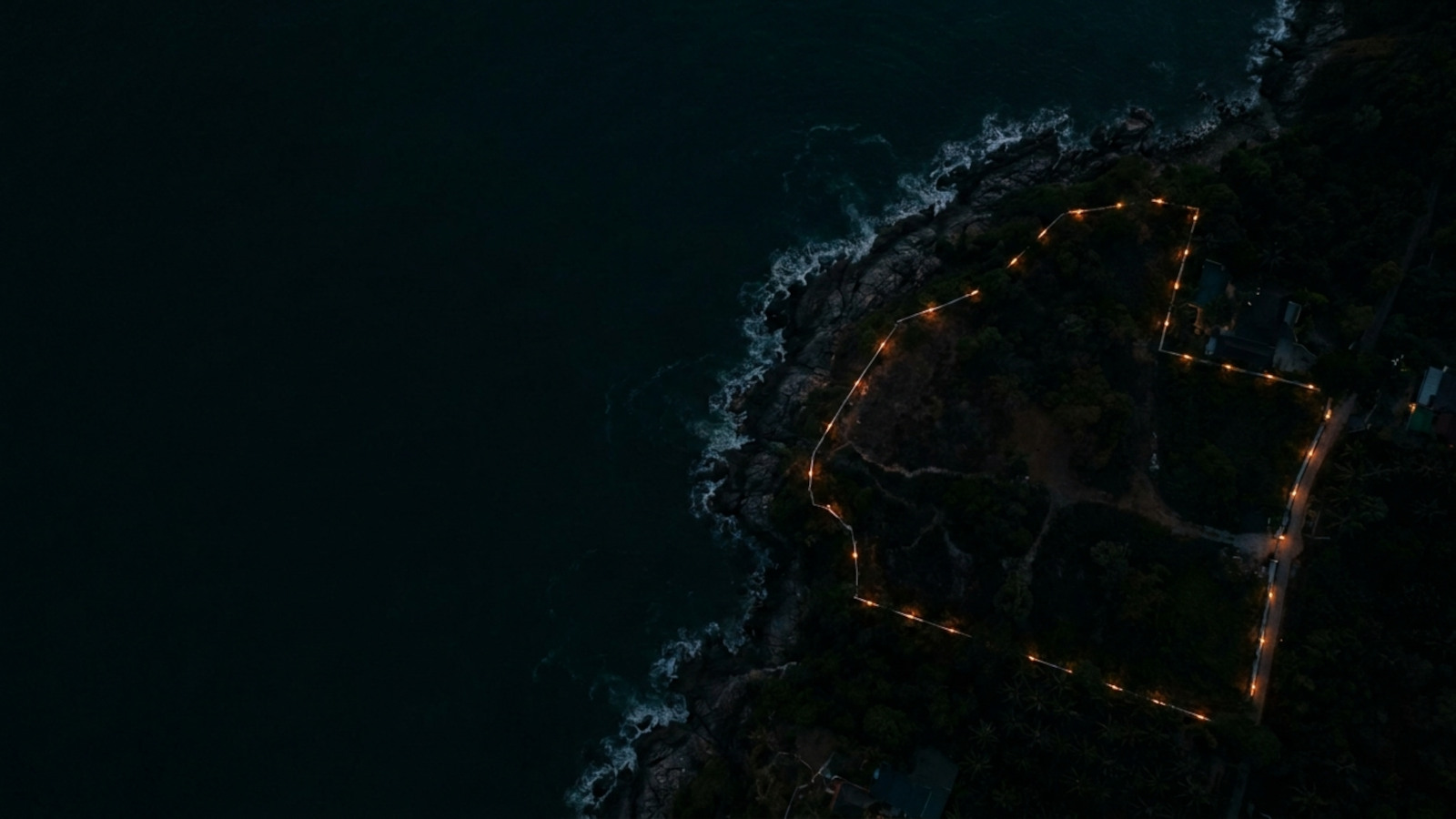

A Thai land listing says something like: 2 rai 1 ngan 60 wah, Chanote. Both halves of that line decide whether the price makes sense. Here is how to read it.
The units
Thai land is measured in square wah, ngan and rai. The conversions are fixed:
| Unit | Square metres | Rule of thumb | |------|---------------|----------------| | 1 sq. wah (ตารางวา) | 4 m² | a parking space is ~3 wah | | 1 ngan (งาน) | 400 m² (100 wah) | a large suburban plot | | 1 rai (ไร่) | 1,600 m² (4 ngan) | ~40% of an acre |
So 2 rai 1 ngan 60 wah = 3,200 + 400 + 240 = 3,840 m².
Land is priced per rai for large plots and per wah for small ones. When you compare listings, convert everything to square metres first — a plot priced "per wah" can sound cheaper than a "per rai" plot that actually costs less.
One habit worth copying from Thai buyers: check the deed's stated area against a physical survey. Old plots, especially upcountry, sometimes measure smaller on the ground than on paper.
The deed hierarchy
The number on the sign matters less than the colour of the deed. From strongest to weakest:
Chanote (โฉนด, Nor Sor 4 Jor). Full ownership title, GPS-surveyed boundaries, red garuda seal. This is the only deed where boundary disputes are rare and banks lend without hesitation. For a significant purchase, this is what you want.
Nor Sor 3 Gor (น.ส.3ก). A confirmed right to use, with surveyed boundaries. Can generally be upgraded to Chanote. Acceptable, but price the upgrade work in — and ask why the owner never did it.
Nor Sor 3 (น.ส.3). Similar right, but boundaries are unsurveyed and described relative to neighbours. Thirty-day public notice period before transfers. Survey risk is real; discount accordingly.
Everything below that — Sor Kor 1, possession claims, "village papers" — is not something a foreign buyer should be paying market prices for, and usually cannot be legally transferred at all.
The deed can be verified at the provincial Land Department office in about an hour. We do this for every land listing we take on, before it goes on the site — and we note the deed type on the listing.
Two things the deed won't tell you
Access. A plot without registered road access is worth a fraction of its neighbour. Confirm the access road is public or covered by a registered servitude, not the informal goodwill of the neighbour who owns the driveway.
Zoning and setbacks. Coastal construction rules, environmental zones and building height limits vary by province and can quietly halve what you're allowed to build. In Phuket and Samui this is the first thing we check, not the last.
Reading a listing takes a minute once you know the code. Verifying one takes a morning at the Land Department. Skipping the second step is how the horror stories start — and it is the least negotiable part of how we work. If you have a plot in mind, we'll help you check it.